
The psychology behind why we gamble Unraveling the mind's mysteries
The Thrill of Risk and Reward
The psychology behind gambling is deeply rooted in the thrill it provides. Many individuals are drawn to the uncertainty of outcomes that gambling entails. The prospect of winning a significant amount of money plays a significant role in motivating people to place bets, whether online or offline. This thrill is amplified by the unpredictable nature of games, creating an exhilarating experience that can lead to a temporary escape from reality. You might find some of the best online pokies real money nz that enhance this experience even further.
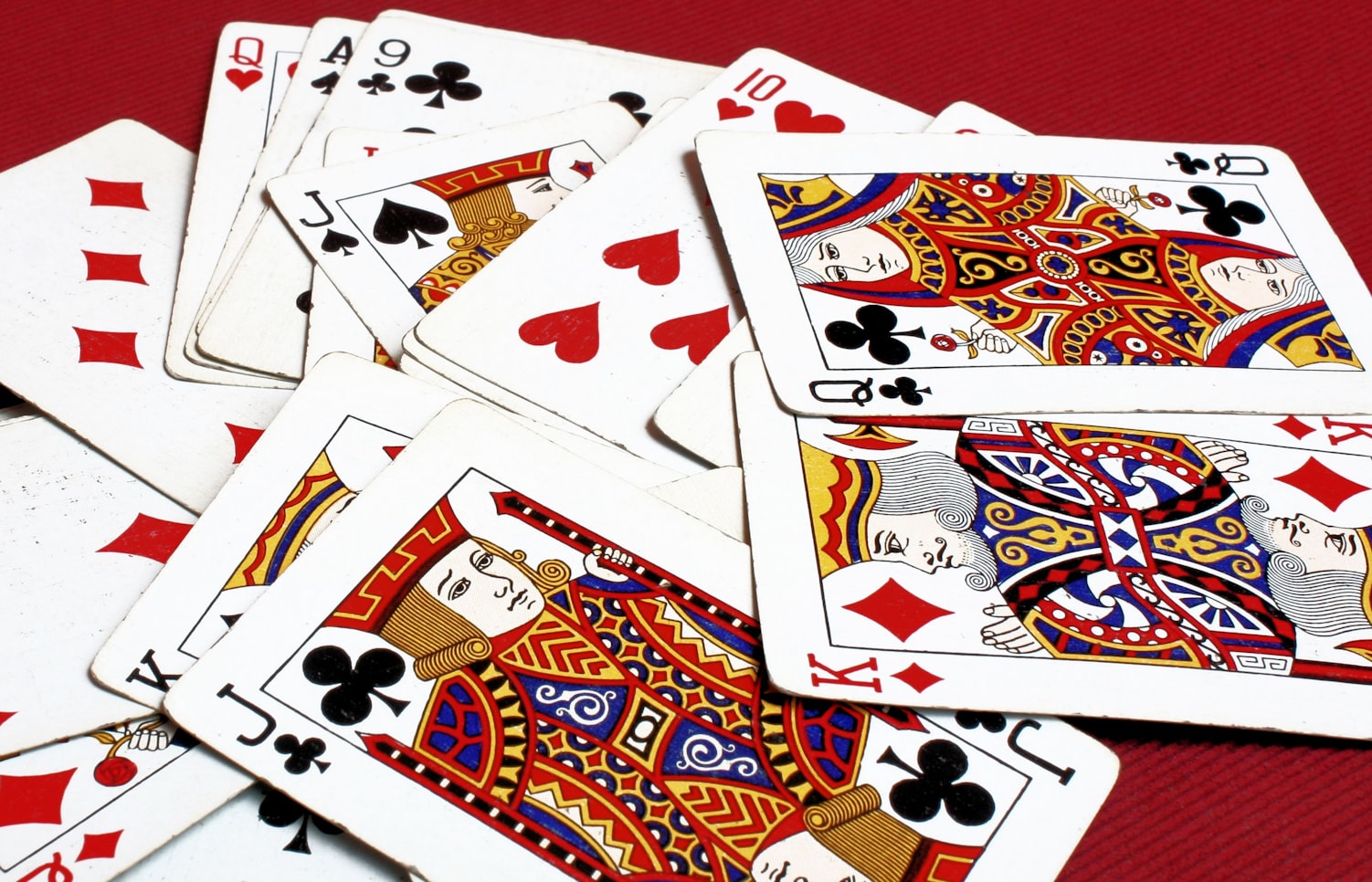
Furthermore, the brain’s reward system comes into play during gambling activities. When individuals win, their brains release dopamine, a neurotransmitter associated with pleasure and satisfaction. This chemical reaction reinforces the behavior, making them more likely to gamble again in hopes of experiencing that same euphoric feeling.
The Influence of Social Factors
The social environment significantly influences gambling behavior. Many people gamble as a form of socialization, enjoying the camaraderie that comes with betting alongside friends or family. This social aspect can enhance the enjoyment of the experience, often leading to increased participation in gambling activities. In both online and offline settings, the ability to share wins and losses fosters a sense of community among players.
Moreover, peer pressure can also drive individuals to gamble. Observing friends or family members participating in gambling can create a sense of obligation or desire to join in. This social reinforcement often normalizes gambling behaviors, making them seem less risky and more acceptable.
The Allure of the Jackpot
The concept of winning big is a powerful motivator for many gamblers. The media often highlights stories of individuals who have won life-changing amounts of money, creating a narrative that reinforces the belief that anyone can achieve similar success. This perceived possibility of a jackpot keeps many returning to the tables or screens, hoping to be the next big winner.
However, it is essential to recognize the odds. Many games are designed with a house edge, meaning that while winning is possible, the likelihood of losing is often much higher. Yet, the allure of striking it rich continues to captivate people, compelling them to gamble despite the risks involved.
The Role of Escape and Coping Mechanisms
For some individuals, gambling serves as an escape from the stresses of everyday life. Whether it’s financial troubles, relationship issues, or work-related stress, the act of placing a bet can provide a temporary distraction. This escapism is particularly prevalent in times of economic uncertainty, where gambling might seem like a viable solution to financial woes.
Additonally, gambling can function as a coping mechanism for deeper psychological issues. Those dealing with anxiety or depression may turn to gambling as a way to regulate their emotions. Unfortunately, this can lead to a cycle of dependency, where individuals feel compelled to gamble more to escape their feelings, potentially leading to more severe issues.

Discovering Online Gambling Options
In the age of technology, online gambling has emerged as a popular alternative to traditional offline betting. Platforms offering online games, such as pokies, provide accessibility and convenience, allowing players to engage with their favorite games from the comfort of their homes. This ease of access has broadened the appeal of gambling, attracting a diverse audience.
Additionally, many online casinos prioritize player experience, offering enticing bonuses and quick payouts. With the opportunity for round-the-clock support, players can enjoy a secure and engaging environment. This focus on player safety and game integrity has made online gambling a go-to option for enthusiasts looking to explore the thrilling world of chance and luck.
